Deutsche Fassung: Haftgrund Fluchtgefahr: Wann droht Untersuchungshaft?
Pre-trial Detention in Germany: Risk of Flight for Foreign Nationals
A phone call in the middle of the night: your son, your partner or your friend has been arrested in Munich. Or you are the one sitting in a police cell, in a country whose language you barely speak. Pre-trial detention in Germany is the most serious measure criminal procedure allows – and for foreign nationals, courts often assume a risk of flight far too quickly. It is not right that someone should stay behind bars simply because their home is in another country. This article explains when pre-trial detention is lawful, which rights apply from the first hour and how detention can be avoided or ended.
What is pre-trial detention in Germany?
Pre-trial detention (Untersuchungshaft) secures the proceedings before a verdict. It requires a strong suspicion and a ground for detention, and it must be proportionate (§ 112 StPO). By far the most common ground is risk of flight: the court must consider it more likely that the suspect will evade the proceedings than that they will face them.
What happens in the first hours after an arrest in Germany?
You must be brought before a judge without delay, at the latest by the end of the day after your arrest (§ 128 StPO). You are entitled to a copy of the arrest warrant in a language you understand (§ 114a StPO), a free interpreter, a lawyer and the notification of your consulate and a relative (§§ 114b, 114c StPO). Say nothing about the allegation until you have spoken to a lawyer – why this matters is explained in our article on your right to silence in Germany.

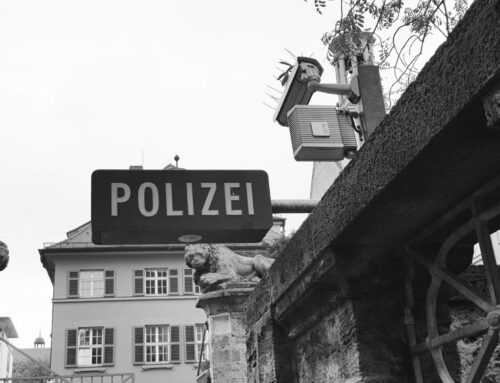
Pre-trial detention in Germany is the most serious measure of criminal procedure – the first hearing before the judge sets the course.
Does being a foreign national mean a risk of flight?
No. Foreign nationality alone does not justify detention, and neither does a residence elsewhere in the EU. The court must weigh specific facts. In practice, however, visitors without any ties to Germany are often detained. This is exactly where I start for your defence: with evidence that you will face the proceedings.
| May support a risk of flight | Speaks against a risk of flight |
|---|---|
| High expected prison sentence | Only a fine or suspended sentence is likely |
| No residence, work or family in Germany | Job, flat, studies or family in Germany |
| Unknown address abroad | Verified home address, employer and family abroad |
| Previous failure to appear in proceedings | Clean record, readiness to return for trial |
| Signs of preparing to disappear | Bail, surrendered passport, authorised recipient in Germany |
How can pre-trial detention in Germany be avoided?
If detention rests only on risk of flight, the judge must suspend the warrant when milder measures suffice (§ 116 StPO): reporting to the police, surrendering your passport or paying bail (§ 116a StPO). Suspects living abroad must also name an authorised recipient in Germany. For minor offences, police often release visitors against a deposit straight away – see our article on the security deposit for foreign suspects.
What is „detention pending trial“ in accelerated proceedings?
For simple cases, prosecutors can apply for an accelerated trial. To secure it, a suspect can be held for up to one week (§ 127b StPO). For visitors, this can mean a verdict within days – sometimes a quick way home, sometimes a hasty conviction. Whether it serves you is something I assess with you before the hearing.
Do you get a lawyer if you are held in pre-trial detention?
Yes. As soon as you are brought before a judge to decide on detention, you are entitled to a defence lawyer (§ 140 StPO). You may name the lawyer you want. The state initially pays the fees, but after a conviction they are usually charged to you. Choosing your own specialist from the start avoids losing valuable time.
How can you challenge pre-trial detention?
You can request a detention review at any time (§ 117 StPO) or lodge a complaint against the warrant. After six months, detention may only continue if a higher regional court approves it (§ 121 StPO). Detention is particularly likely with violent offences such as dangerous bodily harm with a beer stein or bottle.

When a relative is arrested abroad, the first call decides a lot – calm, quick steps help most.
What should family and friends do after an arrest in Germany?
Stay calm and act quickly. Ask the arrested person only where they are held, not what happened – calls may be overheard. Remind them to stay silent on the allegations. Then contact a criminal defence lawyer in Munich. Documents that prove ties – home address, employer, family – can be decisive at the detention hearing, so gather them early.
How can I help you as your defence lawyer in Munich?
As your defence lawyer, I attend the hearing before the judge, request access to the file and argue for the warrant to be suspended – in English. I prepare bail, passport surrender and an authorised recipient so the court has no reason to keep you in custody. The goal, at best, is that you are released within days and can await the proceedings at home.
What are the defence lawyer’s final tips?
Defence lawyer’s tip 1: The earlier you involve a lawyer and the earlier they can steer the case, the better the results that can usually be achieved in your investigation or criminal proceedings.
Defence lawyer’s tip 2: Always make use of your right to remain silent! It is one of your most important rights as a suspect. You do not have to incriminate yourself. Do not make any statement about the allegations. Do not attend a police summons for questioning either – contact a lawyer specialising in criminal law first.
Please do not talk to the police – talk to me!
Next steps:
- Contact me at +49 89 228433-55.
- You receive an appointment within 48 hours.
- We discuss your case, including an assessment of your prospects.
- Once instructed, I request access to the case file.
- As soon as the file is available, we plan our strategy together.